Habits That Make Calm Feel Automatic
Habits matter because they turn “I should” into “I do,” especially when stress is high. With light structure and gentle consistency, accessible yoga and mindfulness tools become reliable supports for your energy, mood, and focus.
Two-Minute Habit Stack
What it is: Use habit stacking after brushing your teeth to add two minutes of stretching.
How often: Daily.
Why it helps: A built-in trigger reduces decision fatigue and boosts follow-through.
Three-Breath Arrival
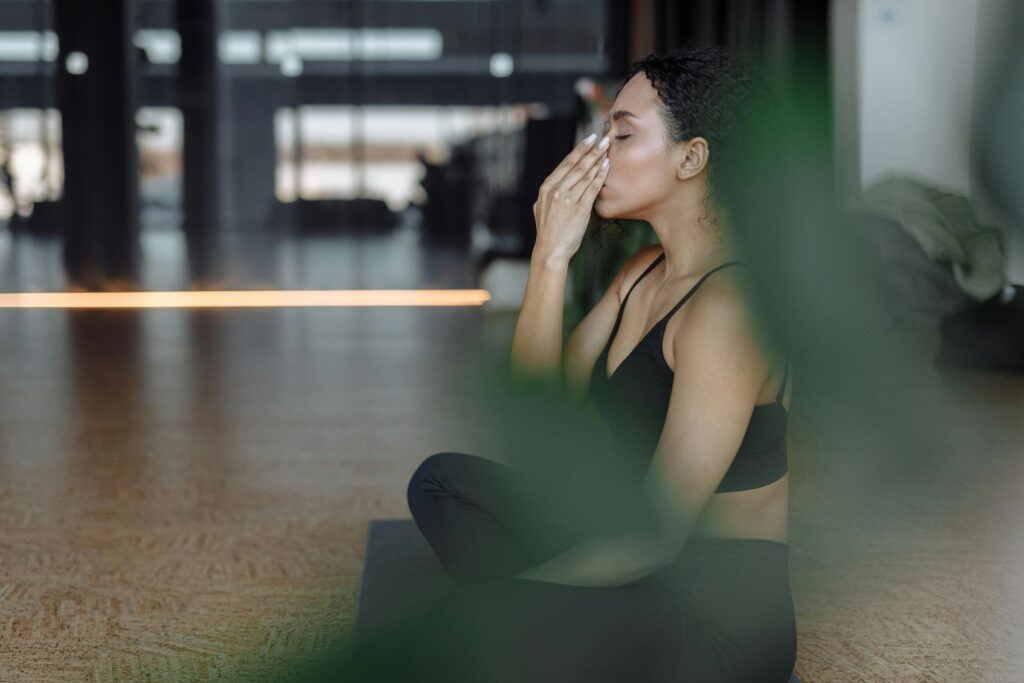
What it is: Pause at a doorway, then take three slow belly breaths.
How often: 2 to 5 times daily.
Why it helps: It signals safety to your nervous system before you react.
Lunch Break Walk Loop
What it is: Take a 7-minute walk after lunch, at any pace.
How often: 3 to 6 days weekly.
Why it helps: It lowers mental clutter and helps afternoon energy feel steadier.
Evening Downshift Yoga
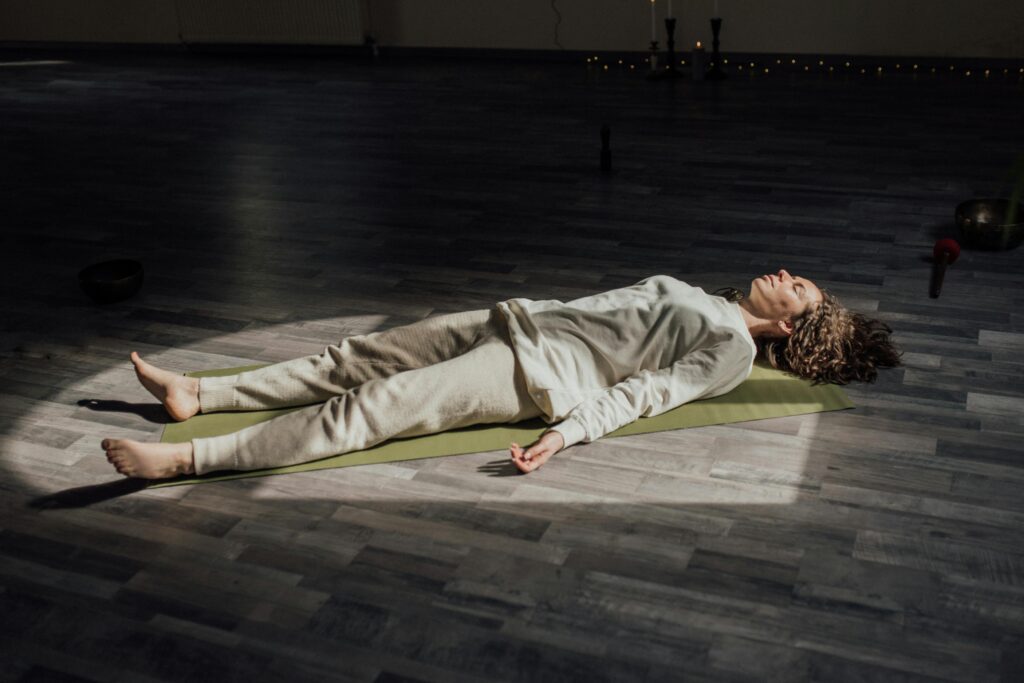
What it is: Do legs-up-the-wall or a reclined twist for five minutes.
How often: 4 nights weekly.
Why it helps: It supports recovery and a calmer transition into sleep.
Five-Minute Mindfulness Timer
What it is: Practice breathing meditation, since mindfulness-based programs can improve mental well-being.
How often: Daily, or every other day.
Why it helps: Consistency builds mental clarity and lowers stress reactivity over time.
Common Questions About Stress-Reducing Habits
Q: What are some effective daily habits to reduce mental fatigue and boost my overall well-being?
A: Start with one tiny anchor you can repeat, like three slow breaths before checking messages, a short stretch break, or a brief evening unwind. Track progress by noticing one signal: fewer tension headaches, easier sleep, or a calmer response to small stressors. When motivation dips, lower the bar to one minute so the habit stays alive.
Q: How can I incorporate easy yoga and mindfulness practices into a busy schedule to alleviate physical stiffness?
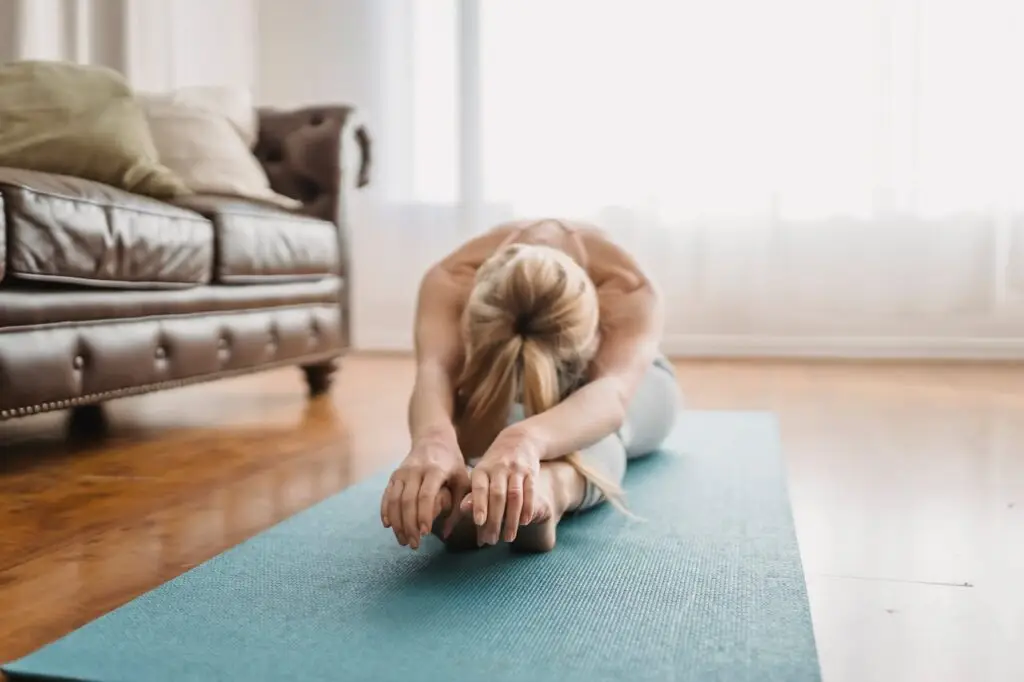
A: Use “micro-sessions” that fit between tasks: 30 seconds of neck rolls, a gentle forward fold, or seated twists at your desk. Pair one movement with one breath pattern, like inhale to lengthen and exhale to soften. Consistency matters more than intensity for easing stiffness.
Q: What are practical ways to manage stress and prevent feeling overwhelmed in everyday life?
A: Identify your top triggers: rushed mornings, constant notifications, skipped meals, or unclear work boundaries. Then choose one boundary and one recovery action, such as a two-minute reset after meetings and a firm stop time. If stress becomes chronic, the idea that burnout is a result of prolonged stress can help you take early signs seriously.
Q: How can starting a new hobby or changing my routine improve my mental and physical health?
A: A beginner-friendly hobby can give your brain a break from problem-solving and restore a sense of choice. Pick something low-pressure and measurable, like a short daily sketch, a simple dance video, or a weekly nature walk. Notice changes in mood, energy, and body tension over two weeks rather than day to day.
Q: What resources are available for adults feeling stuck or uncertain about their career advancement and seeking guidance to move forward?
A: Start by naming what is draining you, then look for patterns: unclear expectations, overload, or constant urgency. Learning the professional burnout definition can clarify whether you need workload changes, skill-building, or more recovery time. Practical next steps include talking with a manager about priorities, journaling strengths you want to use more, or exploring a mentor, coach, or career services through community programs, including jobs through the UOPX network.
Build Calm and Resilience With One Daily Stress-Relief Habit
Stress can feel like it keeps refilling the moment work, family, and expectations pile up. The steadier path is self-care prioritization through a consistent wellness practice, kept simple enough to repeat even on busy days. Over time, this approach supports stress relief strategies that feel more natural, and the long-term well-being benefits show up as a steadier mood, better focus, and fewer spikes of overwhelm. Small daily choices, repeated consistently, are how calm becomes your default. Choose one practice from this guide and do it once a day for 7 days, then notice what shifts. That encouraging wellness mindset matters because it builds stability and resilience you can rely on in real life.